
Our Impact
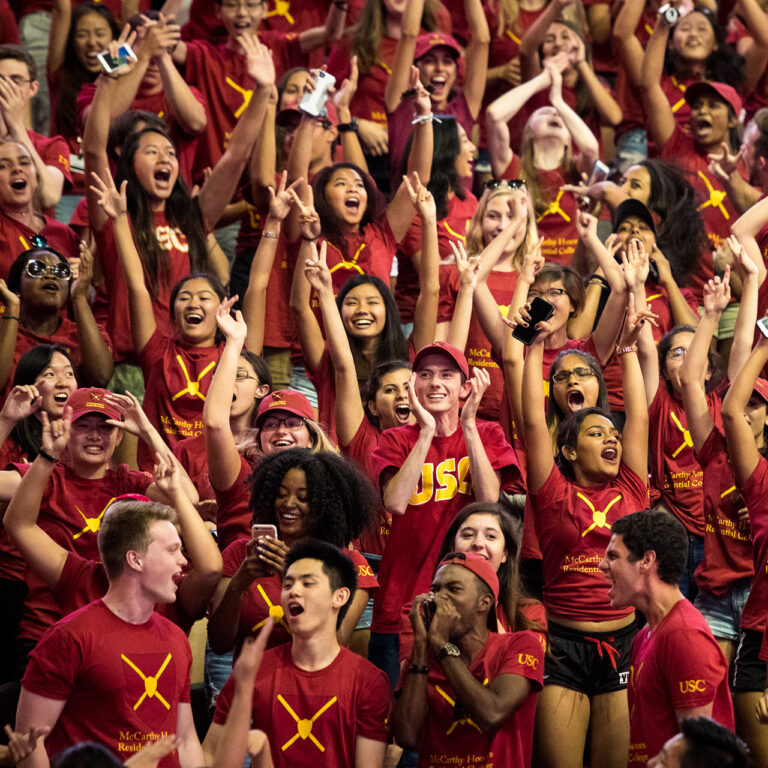
There is no more powerful mission than truly creating change. The USC community — faculty, students and staff — work side by side with partners in Los Angeles to solve immediate problems, creating a constellation of people and networks collaborating toward the public good. Worldwide, our efforts address global health inequities, develop leadership and research in key cultural areas, train diplomats from myriad countries and more.

Inventing Solutions

Exploring Medical Frontiers

Creating New Knowledge
Discovery, Creativity, Impact
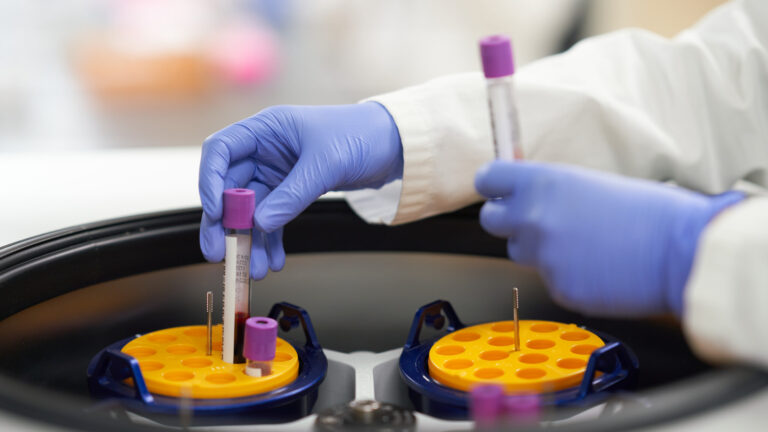
USC is a premier research institution that provides a steady stream of new knowledge, art and technology. It has more than $1 billion in annual research expenditures, with the largest graduate program in science, engineering and health of all private research universities.
Research Highlights
From unexpected climate solutions to unearthing truths about today’s information ecosystem and more, USC researchers roll up their sleeves for the problems of today.

Why is Venus hotter than Mercury, when Mercury is closer to the Sun?
A USC gastronomer explains how a runaway greenhouse effect has made the surface temperature of Venus hot enough to melt lead.

USC establishes NIH-funded center to transform research on sex differences in aging
The USC Leonard Davis School of Gerontology has received $7.5 million to establish GeroSCORE, which will advance research on sex differences in aging while serving as a national hub for discovery, collaboration and training.

USC Viterbi engineers launch collaboration with Trojan football
Every college football game produces thousands of data points. The new collaboration is turning them into game-day insights for coaches and analysts.

Evolutionary history may help explain why some people develop more severe COVID-19 than others
A USC Dornsife-led study shows how combining evolutionary genetics with infectious disease research can reveal clues about why one disease can affect different people in different ways.

USC startup receives up to $3.7 million to develop an inner ear imaging device
AO Technologies, founded by USC researchers John Oghalai and Brian Applegate, has secured an Advanced Research Projects Agency for Health small business award.

How to be grateful to someone — even when you really don’t want to
Struggling to find your sense of gratitude? USC experts suggest you try thinking differently about what caused the person’s actions.

Creative Expression
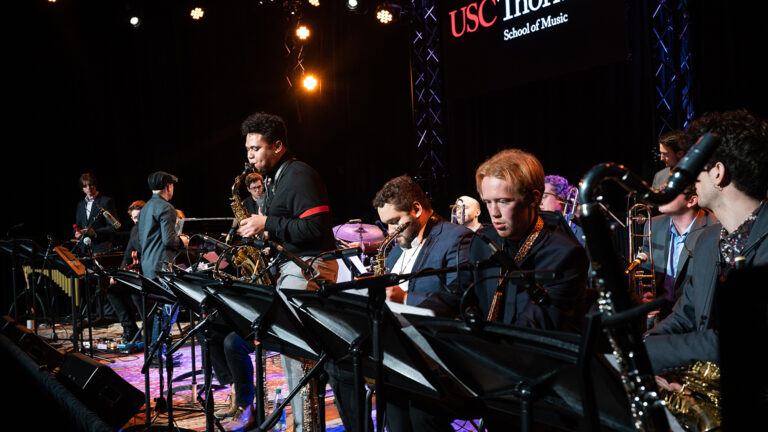
Los Angeles is considered the “Creative Capital of the World.” With six major arts schools, USC is one of the city’s driving forces for new ideas and emerging talent, playing a prominent role in the film, television, music, architecture and arts industries.


Faculty Spotlight
USC’s award-winning scholars and researchers look beyond the ordinary to bring new, much-needed insights and developments to a rapidly changing world with complex needs. Within the health and medical fields, this has translated to a wide range of breakthroughs and discoveries that affect every aspect of our daily lives.
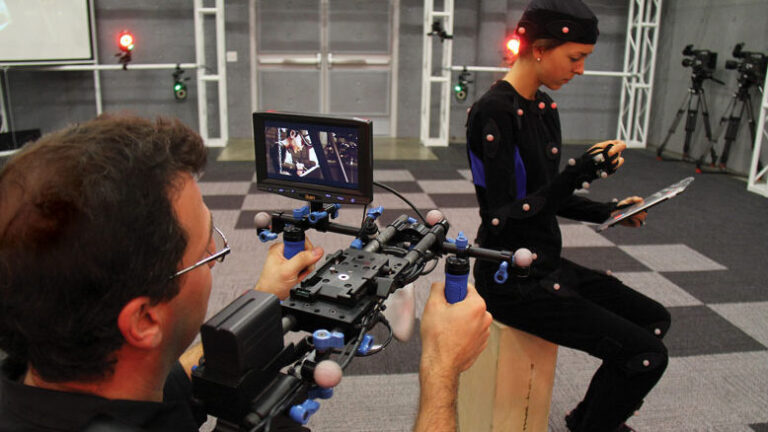
Marientina Gotsis is a professor of the practice of cinematic arts at the USC School of Cinematic Arts whose work bridges arts, design and engineering, with a focus on interactive entertainment for health and well-being. She co-founded and directs the Creative Media & Behavioral Health Center, an interdisciplinary research unit connecting USC Cinematic Arts and the Keck School of Medicine to explore how immersive media and games can support mental and physical health.

Vishal Gupta is an associate professor of data sciences and operations at the USC Marshall School of Business, with a courtesy appointment in USC Viterbi’s industrial and systems engineering department. His research sits at the intersection of AI, optimization and operations, applying analytical tools to real-world decision-making in business and engineering contexts.

Cristina Zavaleta is the WiSE Gabilan Assistant Professor and an assistant professor of biomedical engineering at USC. Her research develops nano-based molecular imaging tools to diagnose disease, guide treatment decisions and accelerate drug discovery, advancing precision medicine through technologies that reveal disease biology at the molecular level.

Art & Science Interdisciplinary Collaborations
Bridge Institute & the USC School of Cinematic Arts
In pursuit of a cure for diabetes, faculty and students collaborate to explore the molecular structure of the pancreatic beta cell — the molecule responsible for creating insulin.
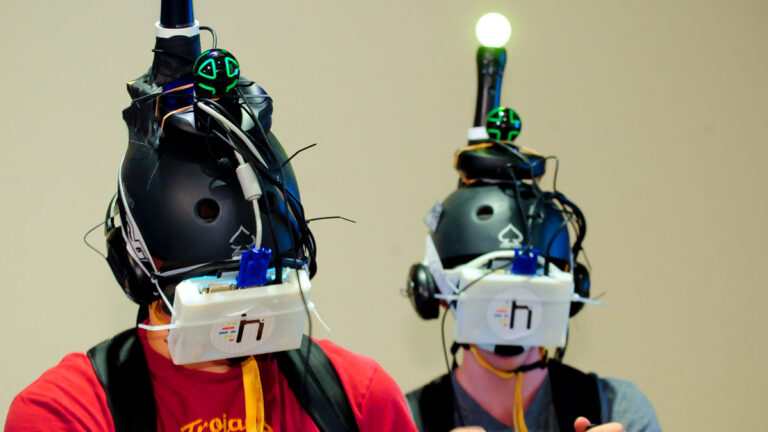
Brain & Creativity Institute
The Brain & Creativity Institute studies the effects of music processing on the developing brain, how the brain organizes narratives, and the role of feeling and consciousness in humans and machines. Applications include the diagnosis and treatment of neurological and psychiatric disorders, child development and education.
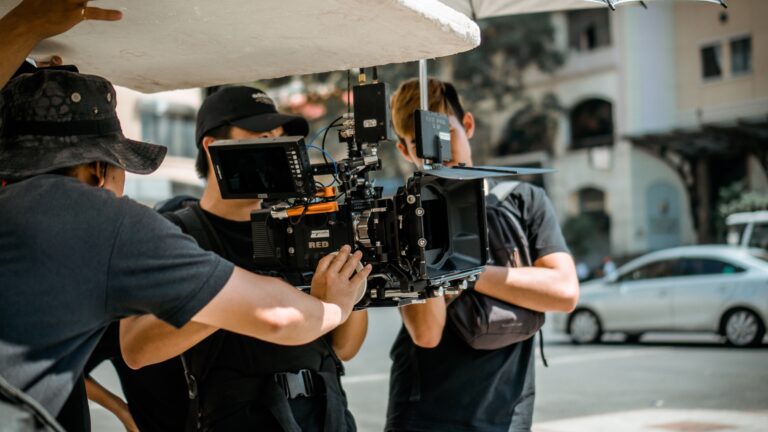
Wrigley Institute Storymakers Program
Scientists become storytellers through this weeklong intensive workshop that teaches hands-on tools such as podcasting, creative content production and more to empower the people behind the science to move hearts and minds with their work in order to accelerate change.
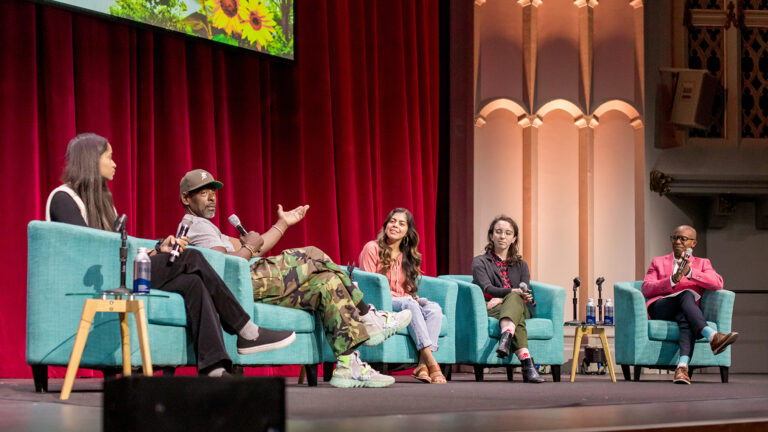
Arts and Climate Collective (ACC)
Inspired and fueled by students, the ACC is a collective commitment to sustainability and environmental justice using the building blocks of arts, culture and storytelling. Participation develops essential skills and attitudes that prepare students for long-term success and create a shared sense of USC community.